07/04/2026

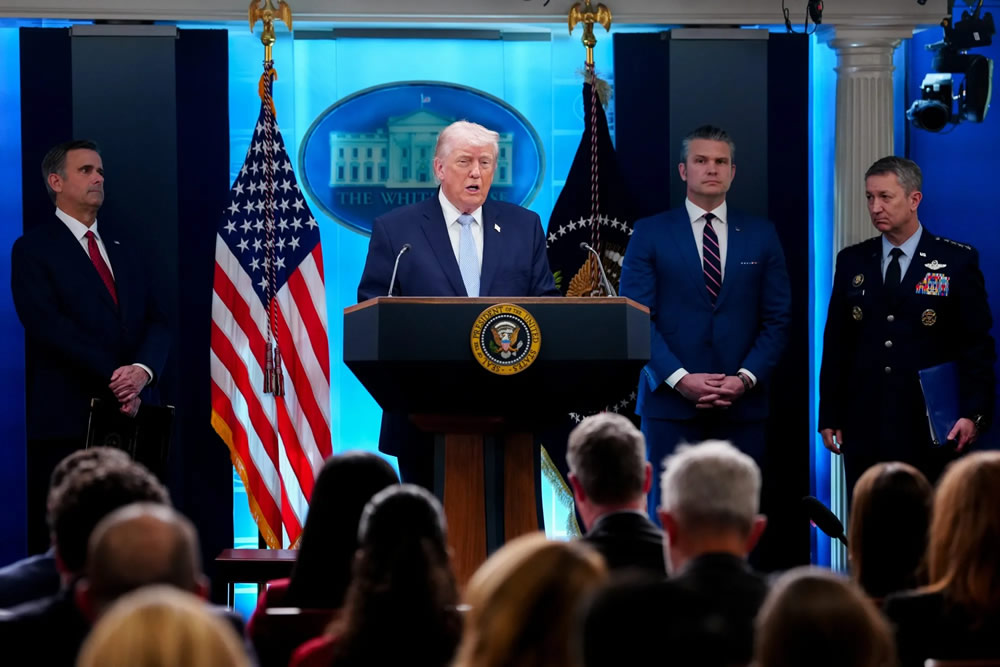
U.S. President Donald Trump has indicated that he may escalate strikes against Iran as early as Tuesday. This statement led to a climb in international oil prices and sharp fluctuations in global stock markets, dashing market expectations for a U.S.-Iran ceasefire.
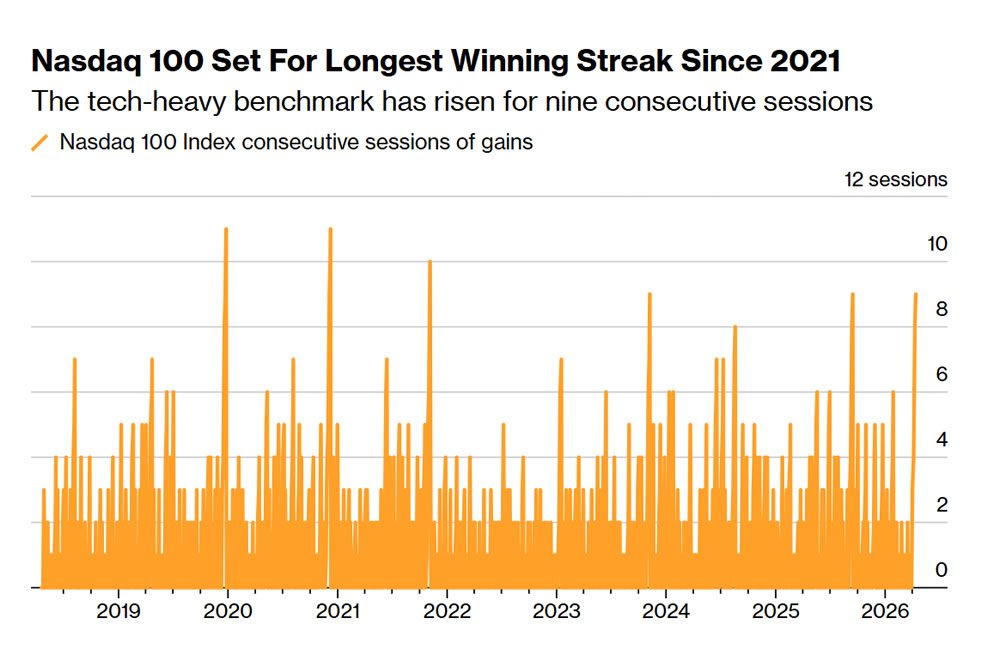
Markets are widely concerned that an escalation of military action could undermine the initial progress made in restoring energy transportation through the Strait of Hormuz. As a key channel for global energy trade, transportation activities in the strait are currently nearly at a standstill, which has had a significant impact on global energy supplies. Affected by this, U.S. crude oil prices exceeded $112 per barrel. As of the close on April 6, the price of light crude oil futures for May delivery on the New York Mercantile Exchange closed at $112.41 per barrel, an increase of 0.78%. In the stock market, despite sharp fluctuations throughout the day, it ultimately maintained a slight gain, with the S&P 500 Index recording its largest single-day gain since January this year; bond and U.S. dollar trends were basically flat.
Trump stated that negotiations with Iran are “progressing well” ahead of the deadline for reaching an agreement on Tuesday evening, but he made it clear that the freedom of navigation in the Strait of Hormuz must be the core content of any agreement. Earlier on Monday, Trump had issued a tough warning: if Iran does not accept the conditions proposed by the United States, the military may “destroy all bridges in Iran and shut down all power plants” by “midnight the next day.” Notably, this is the second time Trump has delayed the deadline for strikes against Iran; he previously extended the deadline to April 6 and later suggested delaying it to the evening of April 7.
According to Iran’s Islamic Republic News Agency, Iran has conveyed its rejection of the U.S. ceasefire proposal through mediator Pakistan. Iran has clearly put forward its demands, including the permanent end of the war, the lifting of sanctions against Iran, the promotion of post-war reconstruction work, and the joint formulation of a safe passage agreement for the Strait of Hormuz. Iranian officials further stated that the Strait of Hormuz will only be fully reopened if a new legal system is established and past ship tax revenues are used to compensate Iran for the losses suffered in the war.
With geopolitical tensions continuing to escalate, market institutions have successively expressed their views. Jeff Buchbinder of LPL Financial pointed out: “It is clearly too early for market observers to stop paying attention to geopolitical risks. At present, we believe the best approach for investors is to remain patient.”
While closely tracking the U.S.-Iran standoff, traders are also waiting for the release of key inflation data this week. Previous data showed that the growth rate of the U.S. service sector economy slowed significantly in March this year, with employment falling by the largest margin since 2023, and input prices rising sharply. The U.S. Services Purchasing Managers’ Index has dropped to 49.8, falling into the contraction range, reflecting businesses’ cautious attitude towards the prospect.
Jeff Roach of LPL Financial said that these mixed economic signals indicate that most enterprises are currently in a period of uncertainty. “If the dispute over the Strait of Hormuz persists until May and June, it will significantly deteriorate the prospects of the U.S. and global economies. For now, given the non-farm payroll data released last Friday, Federal Reserve policymakers can continue to maintain a ‘wait-and-see’ attitude.”
However, some institutions hold a relatively optimistic attitude. Despite investors’ continued focus on geopolitical risks, Mark Hackett of Nationwide said that macroeconomic data still shows economic resilience, and the corporate profit outlook remains optimistic.
Michael Wilson of Morgan Stanley gave specific investment advice: “We believe the S&P 500 Index is hitting new lows. Therefore, it is advisable to start increasing holdings in cyclical stocks and high-quality growth stocks with strong earnings, compressed valuations, and negative market sentiment.”
In addition, the trading department of Goldman Sachs Group revealed that in the recent market sell-off, systematic investors have cut their holdings to multi-year lows, and they are now preparing to re-enter the stock buying mode.
[Disclaimer] Forex trading involves risk; please invest with caution. This content is for informational purposes and objective analysis only, and does not constitute any investment advice, basis for buying/selling, or guarantee of returns. Investors should make independent decisions based on their own financial situation and risk tolerance, and bear their own investment risks.