15/04/2026

Boosted by market optimism about US-Iran negotiations, Asian stocks opened higher and moved upward today, following the rise in Wall Street equities, while international oil prices fell. However, it is worth noting that the US-Iran peace process still faces obstacles, with significant differences between the two sides on core issues, and the struggle for control of the Strait of Hormuz has intensified.
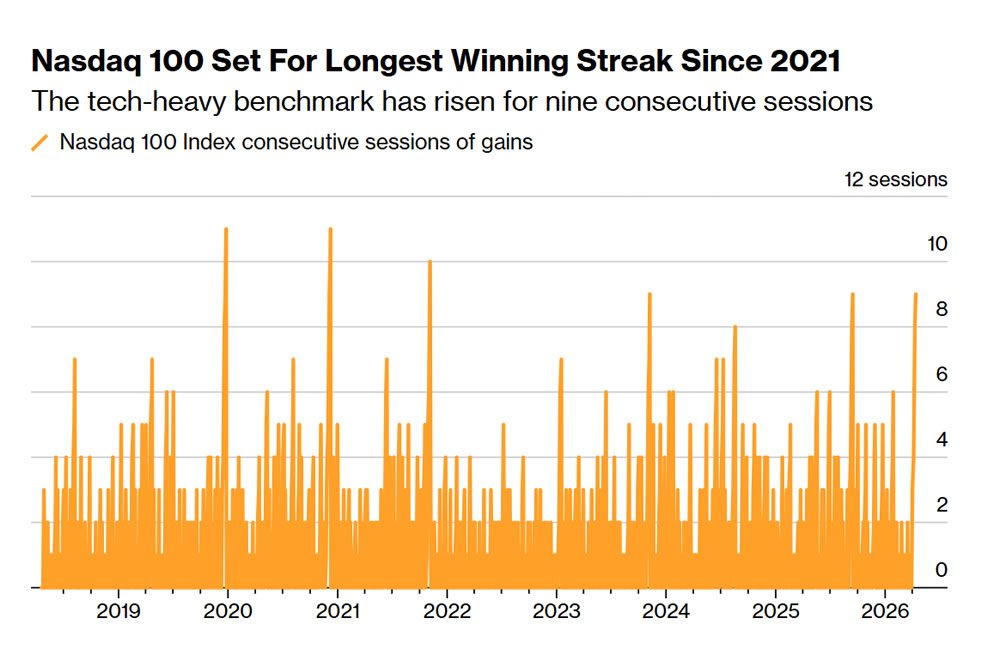
In terms of stock markets, equities in Japan, South Korea and Australia opened higher first, directly driving the MSCI Asia-Pacific Index up 0.9%. Previously, US stocks performed strongly: the S&P 500 Index closed up 1.2%, continuing its recent rebound momentum and currently approaching the high at the end of January; the tech-heavy Nasdaq 100 Index rose 1.8%, marking its 10th consecutive trading day of gains, the longest winning streak since 2021.
As one of the regions most severely impacted by the Iran war, the Asian market is currently gradually recovering the losses caused by the war, highlighting the growing confidence of investors in the easing of tensions in the Middle East. Among them, Taiwan, China and Singapore stock markets have completely erased their previous losses, and other Asian markets are gradually approaching pre-war levels; as of Tuesday, the RMB has risen for eight consecutive trading days.
In the energy market, Brent crude oil prices fell 0.4% on Wednesday to close at $94.50 per barrel. Earlier, US President Trump stated in an interview with the media that he believed the relevant war in the Middle East was coming to an end, a statement that temporarily eased market concerns about energy supply. However, the latest report released by the International Energy Agency (IEA) on April 14 showed that affected by the Middle East situation, global oil demand will shrink in 2026, the first time that global oil demand growth has turned from positive to negative since the COVID-19 pandemic in 2020.
Regarding US-Iran negotiations, the peace process between the two sides has been significantly hindered. Trump once told the New York Post that US-Iran talks may resume in Pakistan “within the next two days”, which will be based on the marathon negotiations held in Islamabad from April 11 to 12 — at that time, the two sides held 14 hours of consultations but did not achieve any substantial results. It is reported that the control of the Strait of Hormuz is one of the core issues of disagreement between the two sides. Iran refuses to accept the US “joint control” plan and insists on retaining control of this strategic waterway. In addition, Iran only agreed to suspend uranium enrichment activities for a maximum of 5 years, while the US requires a 20-year suspension, which has also become an important obstacle to the negotiations.
At the same time, the United States has stepped up its maritime blockade of the Strait of Hormuz. The blockade scope not only includes the Strait of Hormuz but also extends to the Gulf of Oman and parts of the Arabian Sea, focusing on ships entering and leaving Iranian ports to curb Iran’s oil exports. The US side stated that more than 15 US warships have been deployed to support the blockade, and unauthorized ships may face interception or even seizure. In response, Iran issued a warning, stating that if the security of its own ports is threatened, it will take tough countermeasures, further increasing the risk of conflict between the two sides.
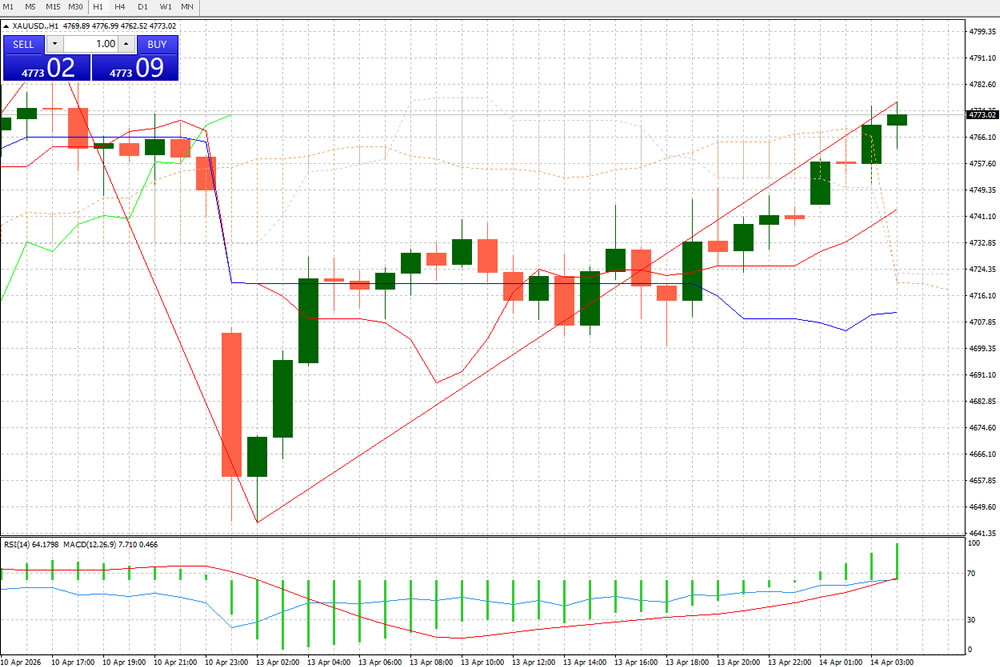
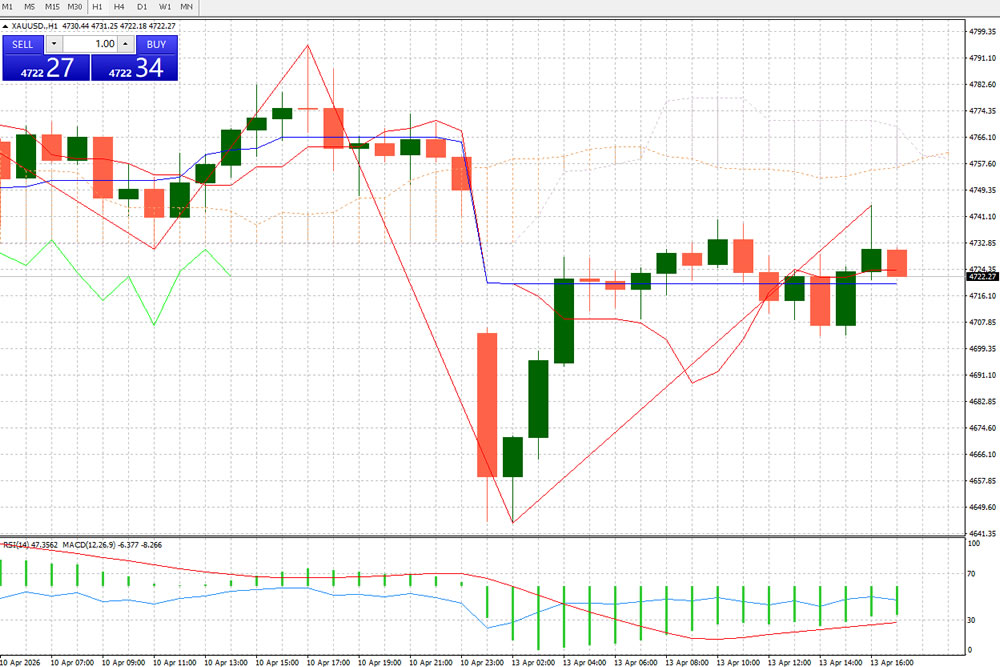
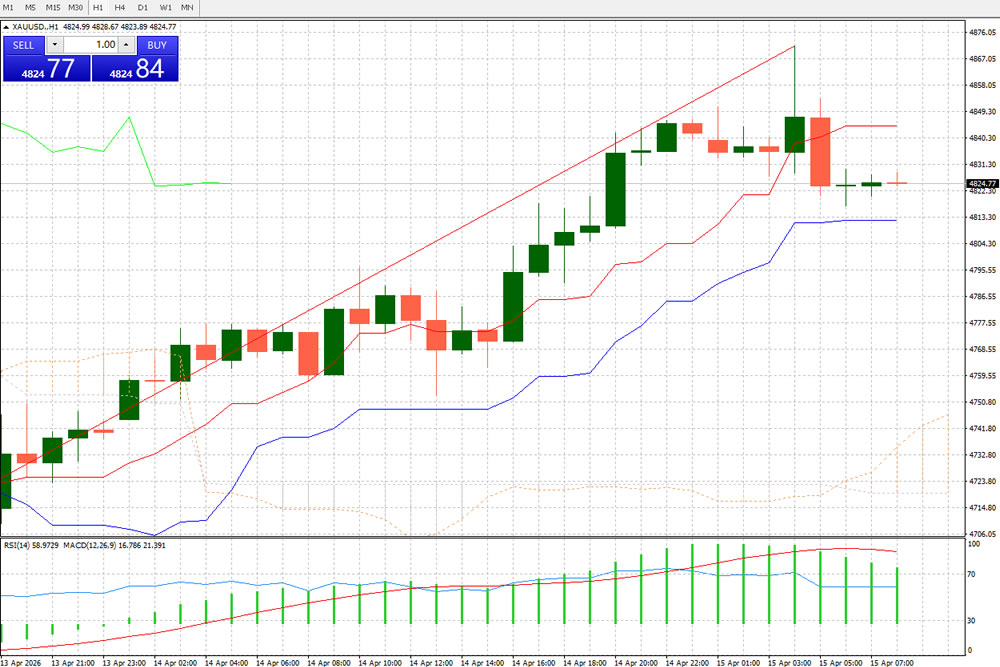
In terms of other market performances, gold prices stabilized around $4,840 per ounce, the US dollar weakened for the eighth consecutive trading day, and US Treasury bonds performed strongly during New York trading hours. At the global economic level, the International Monetary Fund (IMF) has lowered its global economic growth forecast for this year due to the Iran war, and pointed out that if the conflict persists and energy infrastructure is severely damaged, the global economy may decline. The United Nations Conference on Trade and Development (UNCTAD) also stated earlier that transportation activities in the Strait of Hormuz have nearly come to a standstill, which has exacerbated global economic pressure, and a prolonged blockade may trigger a broader chain crisis.
Currently, traders are closely monitoring corporate first-quarter earnings reports, as the ongoing Middle East war continues to pressure the economic outlook. Specifically, despite recording a new high in quarterly trading revenue, JPMorgan Chase’s stock price still fell; Citigroup’s stock price rose after announcing its highest quarterly return on tangible common equity in five years; BlackRock absorbed a net $130 billion in client funds in the first quarter, with investor funds continuing to flow in even amid severe volatility in public and private markets and unclear Iran war situation, driving the company’s stock price up 3%.
Regarding US inflation data, data from the US Bureau of Labor Statistics showed that despite the surge in energy costs affected by the Iran war, the increase in US wholesale prices in March was still lower than market expectations. Among them, the Producer Price Index (PPI) rose 0.5% month-on-month, and the core PPI excluding food and energy prices rose only 0.1%, far lower than the 1.1% month-on-month increase predicted by economists. However, data released last week showed that affected by the surge in gasoline prices, US consumer prices still rose sharply in March, although the underlying inflation level was lower than expected.
[Disclaimer] Forex trading involves risk; please invest with caution. This content is for informational purposes and objective analysis only, and does not constitute any investment advice, basis for buying/selling, or guarantee of returns. Investors should make independent decisions based on their own financial situation and risk tolerance, and bear their own investment risks.